

How Mealworms Can Support Wildlife in Your Garden All Year Round
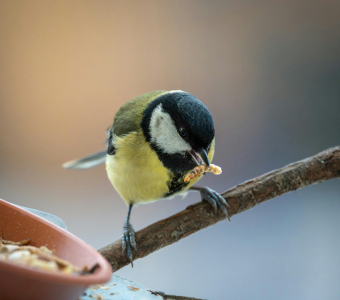
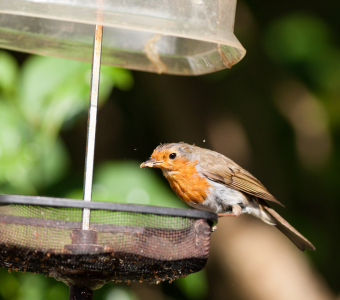
If you’re wondering how to support wildlife in your garden, live mealworms are one of the simplest and most effective options. They provide a reliable food source for birds, hedgehogs, and other insect-eating animals across every season.
Whether you want to attract more birds or help struggling wildlife, adding mealworms to your routine makes a clear difference.
Why mealworms matter for garden wildlife
Wild animals rely on natural food sources that change throughout the year. Insects can become scarce, especially in colder months or dry spells.
Mealworms help fill that gap.
They are:
- High in protein and fat
- Easy for animals to digest
- Suitable for a wide range of species
Which animals benefit from mealworms?
When you buy live mealworms, you’re not just feeding birds. Many species will take advantage of them.
Common garden visitors include:
- Robins
- Blackbirds
- Blue tits
- Wrens
- Hedgehogs
Feeding wildlife through the seasons
Mealworms work all year, but the benefit changes depending on the season.
Spring and summer
This is the most important time for birds.
- Adult birds need protein to stay active
- Chicks require soft, nutrient-rich food
- Natural insect populations can fluctuate
Autumn
Wildlife prepares for colder months.
- Birds build fat reserves
- Hedgehogs increase feeding before hibernation
Winter
Food becomes harder to find.
- Insects are scarce
- Ground can be frozen
- Energy needs increase
Live vs dried mealworms
You’ll often see both options available. Each has its place, but they are not equal.
Live mealworms:
- Higher moisture content
- More natural movement (attracts birds faster)
- Better for hydration
- Longer shelf life
- Easy to store
- Still high in protein
How to feed mealworms safely
Feeding wildlife is simple, but doing it properly avoids problems.
Follow these basics:
- Use shallow dishes or feeders
- Offer small amounts at a time
- Keep feeding areas clean
- Place food in sheltered spots to reduce predators
Where to place mealworms in your garden
Placement affects how quickly wildlife finds the food.
Best options include:
- Bird tables
- Ground feeding trays
- Near shrubs or cover
Why consistent feeding matters
Wildlife quickly learns where food is available. If you stop suddenly, it can disrupt feeding patterns.
Consistency helps:
- Build trust with regular visitors
- Support animals during critical periods
- Maintain a balanced feeding routine
Choosing quality mealworms
Not all mealworms are the same. Poor-quality feed or storage can affect their nutritional value.
When you buy live mealworms, look for:
- Active movement
- Clean, dry packaging
- Reliable delivery
Final thoughts
Supporting wildlife doesn’t require a major change to your garden. A simple addition like mealworms can have a real impact across the year.
Whether it’s helping birds raise chicks in spring or giving hedgehogs a boost before winter, live mealworms provide a practical way to support local wildlife.
If you want a reliable source, you can buy live mealworms online and have them delivered fresh, ready to use.
Frequently Asked Questions
Can birds eat mealworms all year round?
Yes, birds can eat mealworms throughout the year. They are especially useful in winter and during breeding season when natural insects are harder to find.
Are mealworms safe for hedgehogs?
Mealworms can be fed occasionally, but not in large amounts. Too many can cause nutritional imbalance, so they should be part of a varied diet.
How often should you feed mealworms to garden birds?
You can offer small amounts daily, especially during colder months or nesting season. Avoid overfeeding to keep natural foraging behaviour.
Live vs dried mealworms: which is better?
Live mealworms contain more moisture and are more appealing to wildlife. Dried mealworms for birds are more convenient but should ideally be soaked before feeding.
Where should you put mealworms in the garden?
Place them in shallow dishes on bird tables or ground feeders near cover. This helps birds and hedgehogs access them safely.