

Live Mealworms: Feeding Guide for Reptiles, Birds and Small Animals
Live mealworms are one of the most widely used live foods in the UK. They are easy to feed, simple to store short term, and suitable for a wide range of animals. If you keep reptiles, feed garden birds, or care for small animals, live mealworms are often part of the routine.
This guide explains what live mealworms are, which animals can eat them, how to feed them safely, and what to consider when buying live mealworms in the UK.
What Are Live Mealworms?
Live mealworms are the larval stage of the darkling beetle (Tenebrio molitor). They are commonly used as live food because they are active, easy to handle, and readily accepted by many animals.
In the UK, live mealworms are widely available and used by:
- Reptile keepers
- Bird owners and gardeners
- Poultry keepers
- Small animal owners
Why Live Mealworms Are Used as Animal Feed
Live mealworms remain popular because they are practical and versatile.
Natural movement stimulates feeding
Movement encourages natural hunting and feeding behaviour. This is particularly useful for reptiles that rely on motion to recognise food.
Suitable for multiple species
Live mealworms can be fed to reptiles, birds, poultry, and some small animals, making them a flexible option for mixed collections.
Easy to portion and store short term
They can be fed individually or in small amounts and stored easily for short periods when kept cool and dry.
What Animals Can Eat Live Mealworms
Live mealworms are used across several animal groups, but suitability depends on species, size, and diet balance.
Reptiles
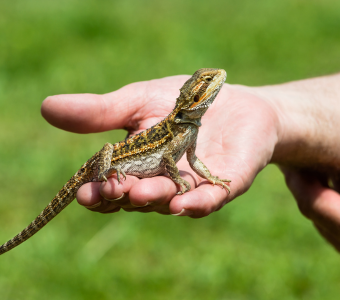
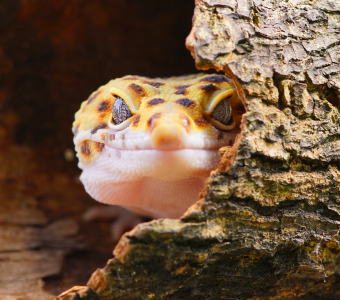
Many lizards and geckos will eat live mealworms, especially juveniles and smaller species. They are best used as part of a varied diet rather than a staple.
Garden birds
Mealworms for birds are commonly used during breeding season, cold weather, and periods of high energy demand.
Poultry and small animals
Chickens, ducks, and some small mammals can eat live mealworms as an occasional protein-rich feed.
Are Live Mealworms Safe to Feed?
Live mealworms are safe when used correctly, but they are not suitable for every animal or feeding situation.
Chitin and digestion
Mealworms have a firm outer shell. Feeding too many can be hard to digest, especially for reptiles that need softer-bodied insects.
When mealworms are not suitable
Very young reptiles, animals with digestive issues, or species that require softer feeders may struggle with live mealworms.
Importance of variety
Live mealworms should not be the only live food offered. A varied diet helps avoid nutritional gaps and feeding problems.
Live Mealworms for Reptiles
Live mealworms are commonly used as reptile food, but moderation matters.
Which reptiles can eat live mealworms
- Leopard geckos
- Smaller lizards
- Some juvenile reptiles
How often to feed them
Live mealworms are best offered occasionally, not at every feeding. They work well as part of a rotation alongside other live food for reptiles.
Portion size and feeding tips
Feed appropriate sizes, avoid overfeeding, and remove uneaten worms to prevent substrate issues.
Live Mealworms for Birds
Live mealworms are a popular choice for feeding wild and captive birds.
Best times to feed mealworms
- Breeding season
- Cold weather
- When birds are feeding chicks
Live vs dried mealworms for birds
Live mealworms provide movement and moisture. Dried mealworms for birds last longer and store easily but lack movement.
Feeding safely in gardens
Offer mealworms in shallow trays or feeders. Avoid placing them directly on the ground where pests may access them.
How to Store Live Mealworms
Correct storage keeps live mealworms usable for longer.
Short-term storage
Keep live mealworms in breathable containers with minimal moisture.
Temperature guidance
Cool temperatures slow movement and development. Refrigeration helps extend lifespan without freezing.
Hygiene and handling
Remove dead worms regularly and keep containers clean to avoid smells or mould.
Live Mealworms vs Morio Worms
Morio worms are often compared to live mealworms.
Size and nutritional differences
Morio worms are larger and higher in fat. Live mealworms are smaller and easier to portion.
When morio worms are a better option
Larger reptiles may benefit more from morio worms, while smaller animals suit standard live mealworms.
Buying Live Mealworms in the UK
If you plan to buy live mealworms, quality matters.
What to look for in quality live food
Active movement, clean containers, and minimal dead worms are key indicators.
Delivery and freshness
Fast delivery helps maintain health. Fresh live mealworms are less likely to spoil or smell.
Buying in bulk vs small quantities
Bulk buying suits regular feeding. Smaller quantities work better if feeding occasionally or storing for short periods.
Buying live mealworms UK-based also helps reduce transit time and stress on the insects.
Live Mealworm Pack Sizes Available
Live mealworms are supplied in practical pack sizes depending on how often you feed.
If you only feed occasionally or want to trial live mealworms, a 500g sack of live mealworms (23–30mm) is usually sufficient.
For regular feeding, breeding setups, or multiple animals, a 1kg sack of live mealworms (23–30mm) offers better value and reduces the need for frequent reordering.
Both sizes contain active, regularly sized live mealworms and are suitable for reptiles, birds, and other animals that eat insects.
FAQs
Are live mealworms good for reptiles?
Yes, live mealworms can be useful for reptiles, but they should be fed in moderation and alongside other live reptile food.
Can birds eat live mealworms every day?
Birds can eat live mealworms regularly during high-energy periods, but they should not replace a balanced diet.
How many live mealworms should I feed at once?
This depends on the animal’s size and species. Small amounts are usually best, especially for reptiles.
Do live mealworms need gut loading?
Gut loading improves nutritional value and is recommended, particularly when feeding reptiles.
How long do live mealworms last after delivery?
With proper storage, live mealworms usually last one to two weeks.
Are live mealworms better than dried mealworms?
Live mealworms encourage feeding through movement. Dried mealworms are easier to store but lack stimulation.