

Dubia Roaches vs Crickets: Which Feeder Insect Is Best for Reptiles?
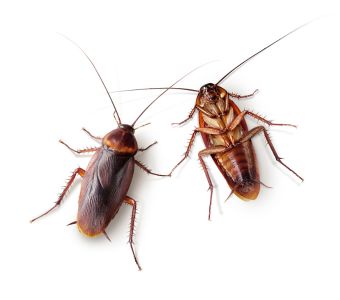
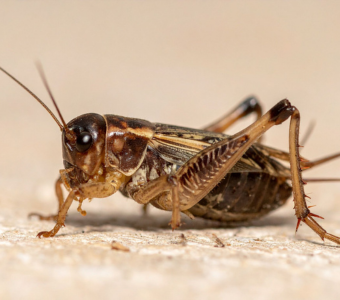
Choosing the right live reptile food is important for your reptile’s health, feeding behaviour, and long-term nutrition. Two of the most popular feeder insects available are dubia roaches and crickets, but many reptile keepers are unsure which is the better option.
Both insects are widely used for feeding bearded dragons, leopard geckos, chameleons, amphibians, and other insect-eating reptiles. However, dubia roaches and crickets differ in nutrition, smell, behaviour, storage, and ease of care.
This guide compares dubia roaches vs crickets so you can decide which feeder insect is best for your reptile.
What Are Dubia Roaches?
Dubia roaches are tropical feeder insects commonly used as live food for reptiles. They are high in protein, easy to digest, and much easier to contain than many other live insects because they cannot climb smooth surfaces or jump.
Dubia roaches are popular with reptile keepers feeding:
- Bearded dragons
- Leopard geckos
- Crested geckos
- Chameleons
- Monitors
- Amphibians
At Livefoods Direct, dubia roaches are available in multiple sizes suitable for both juvenile and adult reptiles.
What Are Crickets?
Crickets are one of the most widely used feeder insects in the reptile hobby. They are active insects that encourage natural hunting behaviour and enrichment during feeding.
Popular types include:
- Brown crickets
- Black crickets
- Silent crickets
Their fast movement often stimulates stronger feeding responses in reptiles that enjoy hunting active prey.
Dubia Roaches vs Crickets: What Are the Main Differences?
The biggest differences between dubia roaches and crickets are:
- Nutrition
- Smell
- Noise
- Ease of storage
- Feeding behaviour
- Lifespan
Crickets, however, are more active and can provide better feeding stimulation for reptiles that enjoy chasing live prey.
Many reptile keepers use both insects as part of a varied feeding routine.
Are Dubia Roaches More Nutritious Than Crickets?
Dubia roaches are often considered one of the best feeder insects for reptiles because of their nutritional profile.
They are:
- High in protein
- Moderate in fat
- Easy to digest
- Lower in indigestible shell material
Crickets still provide valuable nutrition and are commonly used in balanced reptile diets, especially when properly gut-loaded before feeding.
Using a variety of feeder insects is usually the best approach for long-term reptile nutrition.
Are Dubia Roaches Better Than Crickets for Bearded Dragons?
For many keepers, dubia roaches are one of the best live foods for bearded dragons.
They are popular because they:
- Offer high protein levels
- Are easy to digest
- Produce less smell
- Cannot jump out of feeding tubs
- Survive longer than crickets
Many owners feed both dubia roaches and live crickets as part of a varied diet.
Can Leopard Geckos Eat Dubia Roaches?
Yes. Dubia roaches are suitable for leopard geckos as long as the insect size is appropriate. Leopard geckos benefit from a varied diet that may include:
- Dubia roaches
- Crickets
- Mealworms
- Waxworms as occasional treats
Why Do Reptile Keepers Prefer Dubia Roaches?
Many reptile keepers switch from crickets to dubia roaches because they are easier to manage in typical home setups.
Dubia roaches:
- Do not chirp
- Produce very little smell
- Cannot climb smooth plastic
- Do not jump
- Tend to survive longer in storage
For reptile keepers storing large quantities of live food, dubia roaches are often the lower-maintenance option.
Do Dubia Roaches Smell?
Dubia roaches produce very little odour when kept clean and dry.
Crickets are usually much smellier, particularly when dead insects and waste build up in warmer tubs.
For reptile owners keeping live food indoors, smell is often one of the biggest reasons for switching to dubia roaches.
Are Crickets Better for Hunting Behaviour?
Crickets are more active than dubia roaches, which can make feeding more stimulating for some reptiles.
Their movement encourages:
- Hunting instincts
- Exercise
- Natural feeding behaviour
Some reptile keepers use crickets specifically for enrichment while relying on dubia roaches for regular feeding.
Can Dubia Roaches Replace Crickets Completely?
They can for many reptiles, but variety is still important.
Feeding only one type of insect long term is rarely recommended. Different feeder insects provide different nutrients and levels of enrichment.
A balanced reptile feeding routine may include:
- Dubia roaches
- Live crickets
- Locusts
- Mealworms
- Waxworms as occasional treats
Are Dubia Roaches Safe?
Dubia roaches are considered one of the safest feeder insects available in the UK reptile hobby.
Unlike pest cockroach species:
- They cannot infest homes easily
- They cannot climb smooth surfaces
- They do not survive well in cooler UK household temperatures
- They breed slowly compared to pest species
Which Feeder Insect Is Better?
There is no single best feeder insect for every reptile.
Dubia roaches are often preferred for:
- Nutrition
- Easy storage
- Lower smell
- Quiet keeping
- Longer lifespan
- Active hunting behaviour
- Feeding stimulation
- Lower upfront cost
- Variety in reptile diets
Frequently Asked Questions
Can dubia roaches bite reptiles?
Dubia roaches are not aggressive and are considered safe feeder insects for reptiles.
Are dubia roaches healthier than crickets?
Dubia roaches are generally considered more nutritious because they are higher in protein and easier to digest.
What reptiles can eat dubia roaches?
Dubia roaches are commonly fed to: Bearded dragons Leopard geckos Chameleons Monitors Amphibians Other insect-eating reptiles
Do dubia roaches infest homes?
Dubia roaches are very unlikely to infest homes in the UK because they struggle to survive in cooler household temperatures.
Are dubia roaches better than crickets?
Many reptile keepers prefer dubia roaches because they smell less, survive longer, and are easier to keep. However, crickets are still useful for enrichment and feeding stimulation.
Buy Dubia Roaches and Live Crickets Online
Whether you feed bearded dragons, geckos, chameleons, or amphibians, both dubia roaches and crickets can play an important role in a balanced reptile diet.
Choosing the right feeder insect often depends on your reptile species, feeding habits, and storage preferences.
At Livefoods Direct, we supply fresh dubia roaches, live crickets for sale, locusts, mealworms, and other live reptile food bred in the UK and delivered nationwide.
Browse our full range of feeder insects online for healthy, well-fed live food suitable for reptiles and amphibians.